


Flame Retardant
Flame-retardant workwear is made for jobs where ordinary clothing may not provide enough protection from flame, sparks, flash fire, or extreme heat. FR clothing is different because its construction and performance are tested for specific hazards and workplace conditions.
It is suited to industries such as mining, oil and gas, rail, construction, manufacturing, welding, fabrication, energy, and firefighting. Choose the garment according to the workplace-required protection and applicable standards.
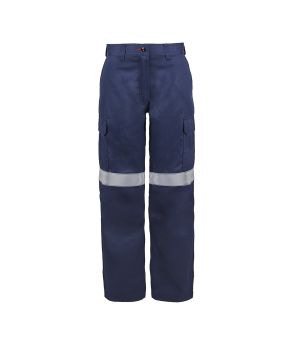
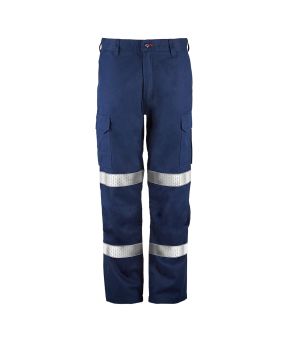
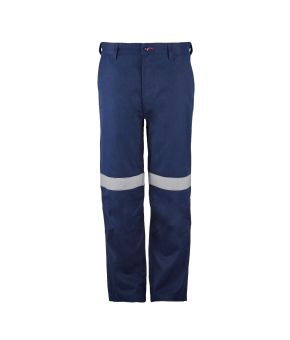
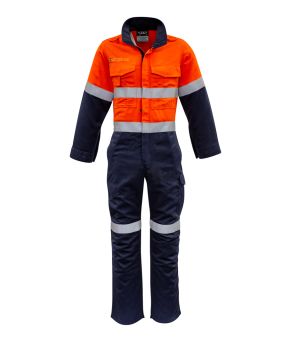
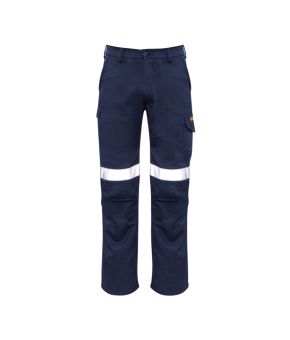
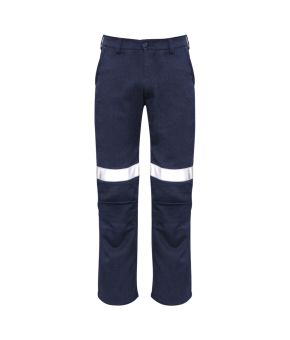
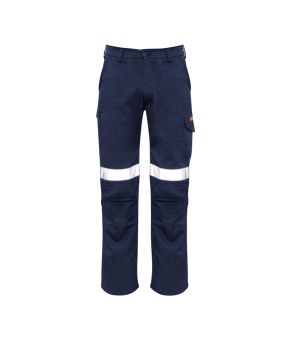
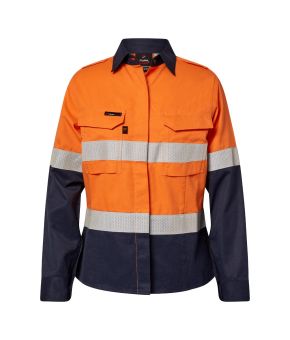
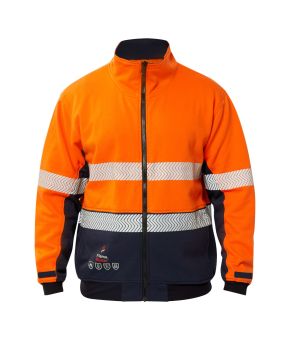
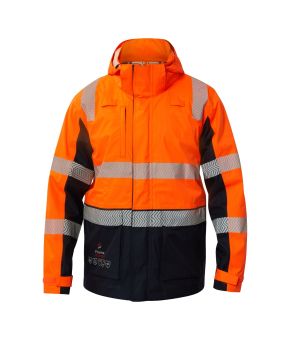
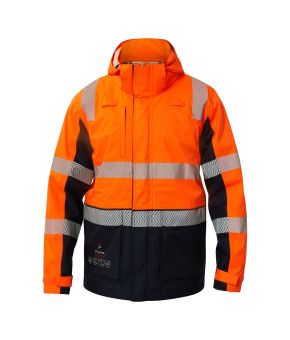
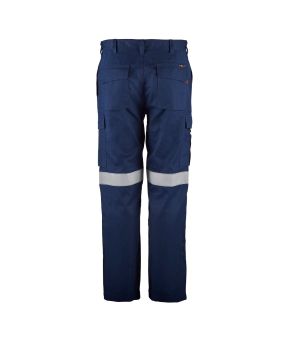
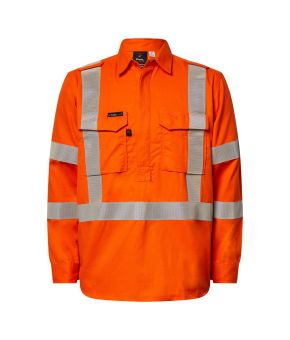
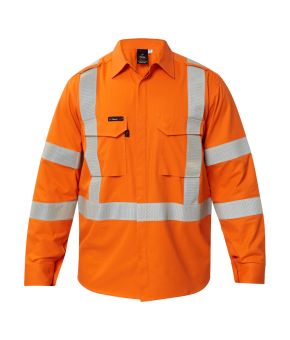
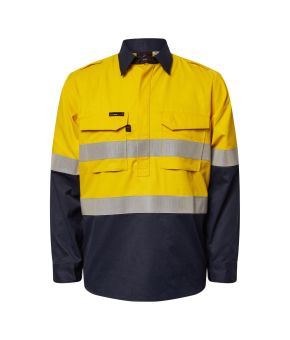
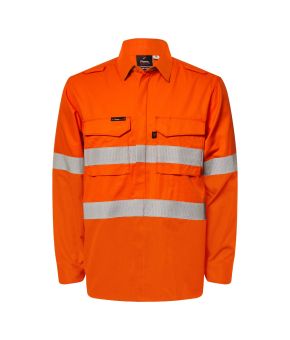
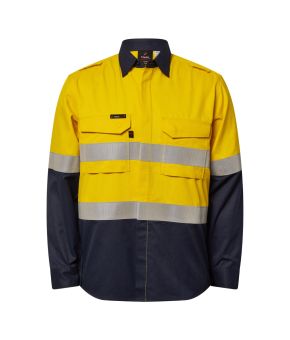
Flame Retardant Workwear Australia
Flame-retardant workwear is intended for jobs where workers may come into contact with flame, sparks, flash fire or extreme heat. Regular workwear is made for everyday durability, comfort and protection from general site wear. It is not automatically tested or certified for thermal hazards. FR clothing is different because its fabric and construction are designed to help resist ignition and limit flame spread during a defined exposure.
WorkArmour’s range includes flame-resistant shirts, FR trousers, jackets, protective hoods and coveralls. Depending on the garment, these may be available in different fabrics, fits, coverage levels and visibility configurations.
The right choice should match the worksite and the hazard—not simply the product name. Check the garment label and specifications for the fabric, construction, certification, protection rating, intended use, and care instructions. FR clothing is not fireproof, and one garment may not be suitable for every thermal or electrical risk.
What Is Flame Retardant Workwear?
FR workwear uses treated or inherently flame-resistant fabrics to resist ignition and limit flame spread when there is a specified thermal event. This reduces the risk of clothing continuing to burn and gives the worker more time to move away from the hazard. However, protection varies between garments. Fabric type, seams, closures, coverage, certification, and intended application all affect performance.
A garment designed for flash-fire protection may not be appropriate for arc flash, molten metal, or continuous heat. Selection should begin with a workplace risk assessment and include the relevant standards and manufacturer’s guidance.
Who Uses Flame Resistant Workwear?
Flame-resistant clothing is used in mining, oil and gas, rail, construction, manufacturing, welding and fabrication, electrical and energy work. These industries have combustible materials, sparks, hot surfaces, open flames, arc-flash hazards and radiant heat.
Before purchase, employers and workers should confirm the actual exposure risk and required garment specifications.
Browse WorkArmour’s FR workwear range or contact the team for product advice.
Flame-Resistant Shirts, Pants and Protective Clothing
Workers can choose from different FR garment types according to their role, workplace hazards, required body coverage, visibility needs, climate and compliance requirements. WorkArmour’s range includes products for different applications, including FR work shirts, FR work pants, FR coveralls and overalls, and high-visibility workwear.
Flame-Resistant Shirts
Flame-resistant shirts provide long-sleeve coverage for workers exposed to flame, sparks, flash fire or other thermal hazards. Depending on the garment, features may include FR fabric, high-visibility colours, reflective tape, gusset sleeves, heat-resistant closures and UPF protection. Check the individual product details, as features and certifications vary between styles.
Fire-Resistant Work Pants
FR work pants provide lower-body coverage in high-risk work environments. Available styles differ in fit, fabric, pocket design, reflective-tape placement, and certification. Choose a pair that allows comfortable movement without being loose enough to snag on machinery. Product features such as cargo pockets or reinforced stitching improve practicality but do not, by themselves, confirm FR protection.
Flame-Resistant Jackets and Overalls
Jackets, coveralls and overalls can provide greater coverage across the upper and lower body. They may be useful where workers face wider exposure risks or need protection from changing weather conditions.
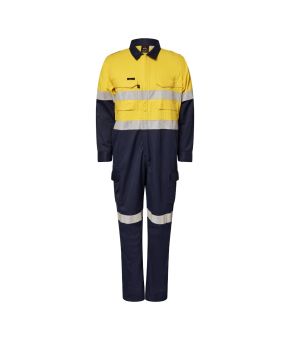
WorkArmour’s HRC2 Hi Vis FR Coverall with FR Tape is listed with FR tape and is available for industrial work. Check the product page for current details, including fabric, sizing and certification. When layering garments, make sure the complete combination is suitable for the worksite.
FR and High-Visibility Workwear
Flame resistance and high visibility are different properties. High-vis clothing helps workers remain visible around vehicles, plant and machinery, while FR clothing is designed to resist ignition or limit flame spread under specified conditions.
A high-vis garment is not automatically flame resistant, and an FR garment is not automatically high-vis compliant. Where both are required, choose a product that is specifically documented as meeting both requirements.
Browse WorkArmour’s high-visibility workwear or shop FR shirts and pants.
Flame Retardant Workwear Standards in Australia
The right standard depends on the hazard, garment type, work environment, and protection level required by the employer or project. Always check the product label and technical information before placing an order.
High-Visibility Requirements
AS 4602.1:2024 is the current Australian Standard for high-visibility safety garments used in high-risk situations involving moving traffic, plant or equipment. It covers the garment’s visibility, including its fluorescent material, retroreflective tape, design and coverage.
High visibility and flame resistance are separate requirements. A high-vis shirt may not provide FR protection, while an FR garment may not meet the required visibility standard. If both are needed, choose clothing that is specifically documented as meeting both requirements.
Some older product information may refer to AS/NZS 4602.1:2011. Requirements can change, so confirm the current standard with the employer, project manager or manufacturer before purchase.
Flame and Heat Protection
FR workwear should match the hazard identified in the workplace risk assessment. Possible hazards include flash fire, open flame, welding sparks, radiant heat, molten metal, arc flash and hot surfaces.
NFPA 2112 applies to flame-resistant garments designed for short-duration thermal exposure from flash fire. It is not a general approval for every heat, flame or electrical hazard.
For arc-flash work, check the garment’s ATPV or other relevant arc-rating information. The correct rating should be determined through the site’s electrical risk assessment. UPF 50+ relates to ultraviolet protection and does not replace FR, arc-flash or high-visibility certification.
Rail Compliance
Rail-compliant workwear must meet the requirements of the relevant rail operator or project. These may include garment colour, reflective tape, visibility classification and design.
WorkArmour’s HRC2 Men’s Hi Vis Closed Front NSW Rail Shirt is listed as NSW Rail compliant. Requirements can vary, so confirm approval before ordering.
View NSW Rail FR shirts or contact WorkArmour with your project specification.
How to Choose the Right Flame-Resistant Workwear
- Identify the hazard. Flame, flash fire, arc flash, electrical exposure, welding sparks, molten metal, and radiant heat each require different levels of protection. Match the garment to the specific threat on site.
- Confirm the required standard. Check the employer's PPE schedule, site rules, project specification, and garment certification before buying anything. A garment that looks the part isn't always rated for the job.
- Choose the correct garment. Body coverage drives the decision here. Select FR shirts, FR pants, jackets, coveralls, or overalls based on what the role actually exposes.
- Check visibility needs. Work near vehicles, mobile plant, heavy machinery or rail corridors often requires specific high-visibility clothing. Explore high-visibility workwear and confirm the classification your site demands.
Quick tip: Fit and care aren't afterthoughts — they affect how well the garment protects. - Review the fit. Size, sleeve length, waist, leg length, and room for safe movement all matter. Poor fit compromises comfort and can introduce new risks on site.
- Consider the environment. Fabric weight, ventilation, insulation and weather resistance become critical for hot, cold, wet or physically demanding work.
- Check care requirements. Wash, dry, repair and store the garment exactly as directed. Incorrect care or unauthorised alterations can undermine protective performance.
Features to Look For in FR Clothing
| Feature | What to check |
| Flame-resistant fabric | Whether the protection is inherent or comes from a fabric treatment |
| High visibility | The garment's classification against site requirements |
| Reflective tape | Tape configuration and whether it meets the required standard |
| Comfortable fit | Fit that supports movement and encourages consistent use |
| Breathable construction | Ventilation that improves comfort in warm conditions |
| Durable construction | Seams, closures, and fabric strong enough for demanding work |
| Certified protection | The label, standard, rating and intended application |
Match the Hazard to the Garment—A Quick Check
| Hazard | Recommended garment | Key consideration |
| Flash fire/flame exposure | FR coveralls or overalls | Full-body coverage with no gaps at wrists, ankles, or neck |
| Arc flash / electrical work | FR shirts + FR pants, rated to the required arc rating | Check the garment's cal/cm² rating against the site's arc flash risk assessment |
| Welding sparks / molten metal | FR jacket over FR shirt, heavier fabric weight | Look for tighter weave and reduced flammability at seams and closures |
| Radiant heat | Insulated FR jacket or coverall | Fabric weight and reflective properties matter more than visibility here |
| Low-light or vehicle/plant proximity | High-vis FR shirt or jacket with reflective tape | Confirm the high-visibility classification required for the site |
| Mixed hazards (e.g. welding near traffic) | Layered FR + high-vis combination | Check that layering doesn't compromise flame resistance or visibility rating |
Note: This table is a starting point, not a substitute for a site-specific risk assessment. Always confirm the exact standard and rating against your employer's PPE schedule.
Frequently Asked Questions About Flame Retardant Workwear
1. What is the difference between flame-resistant and flame-retardant clothing?
Both terms mean the fabric resists ignition or slows flame spread under testing. But wording alone won't tell you the protection level — check the certification, fabric, and test standard first.
2. Who needs flame-resistant workwear?
Anyone facing flash fire, welding sparks, molten metal, radiant heat, or arc-flash risks — common in mining, rail, construction, energy, and fabrication. Your workplace risk assessment should guide the final call.
3. Are FR work pants fireproof?
No, not fireproof. FR pants are tested against specific hazards and exposure levels, not unlimited heat or flame. Check the certification and limitations, then pair them with the right PPE.
4. Are flame-resistant shirts suitable for electrical work?
Only if certified for it. Look for an ATPV rating and confirmed intended use before assuming a shirt handles arc-flash exposure. When in doubt, follow your workplace's electrical risk assessment.
5. What is rail-compliant workwear?
They are clothing that meets a rail operator's specific visibility, colour, and reflective-tape requirements. These vary between networks and states, so always check the current project spec rather than trusting a generic label.
6. Is all high-vis workwear flame resistant?
No — they're two different properties entirely. High-vis is about being seen; FR is about resisting flame. If your job needs both, check the documentation to confirm each one separately.
7. Can flame-retardant workwear be worn in hot weather?
Yes, lighter and more breathable FR options exist for warmer conditions. Just don't stop using PPE because of the heat — follow site procedures and choose approved gear instead.
8. Is FR workwear comfortable to wear all day?
It can be, with the right fit, fabric weight, and ventilation for the job and climate. Comfort shouldn't come at the cost of protection.
9. Does flame-resistant protection wear out after repeated washing?
It depends on the garment. Inherent FR fibres hold up differently from treated fabrics with a protective finish. Wrong detergents or unauthorised repairs can weaken performance, so stick to the care label.
10. What fabric is used to make flame-resistant workwear?
Options include inherently FR fibres, treated cotton blends, aramid-type materials, and modacrylic blends. The fabric name alone doesn't guarantee suitability — check the rating and certification for your specific hazard.
Please complete your information below to login.
Sign In
Create New Account