


Wet Weather
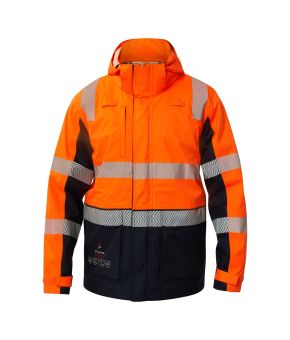
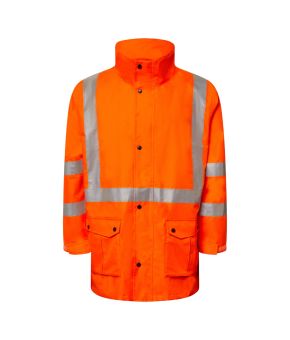
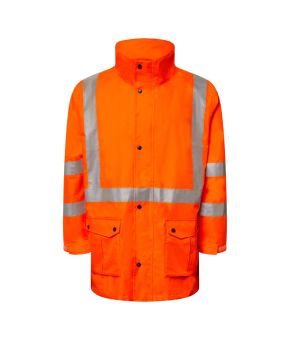
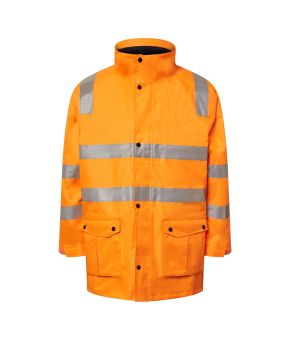
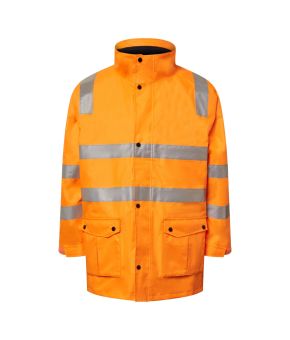
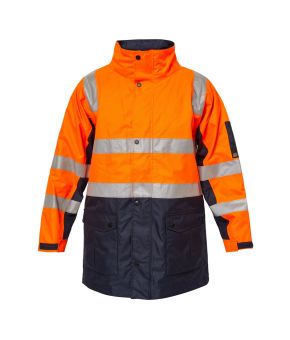
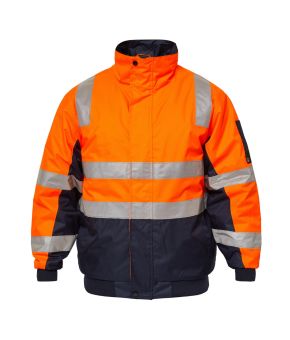
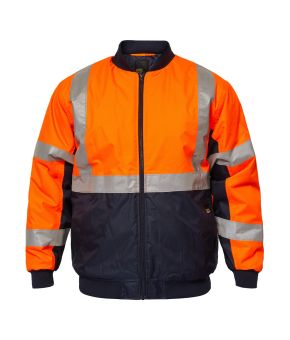
Wet Weather Gear for Outdoor Work
When it rains, it is always accompanied by the wind pushing it sideways. It drenches almost everything and everyone in its vicinity. Here is the downside—damp clothing draws heat from your body and makes you cold.
Quality wet weather gear keeps workers dry, allowing them to focus better on the task. Safe Work Australia lists rain and wind among the hazardous weather conditions employers must manage—and suitable clothing is a practical control.
At WorkArmour, we supply waterproof workwear Australia-wide, chosen for local conditions. In-stock orders placed before 11 am on business days are dispatched the same day from our Dandenong South warehouse.
Protection from Rain and Wind
The outer layer protects a worker from a downpour. Waterproof fabric keeps rain out of the clothing underneath. Wind-resistant construction stops gusts carrying away body heat. Fully seam-sealed garments and storm flaps over the zip close gaps because seams need more attention, as stitching is where water gets in first.
Waterproof vs Water Resistant Clothing
Water-resistant clothing sheds splashes and light showers— only for a brief exposure. Waterproof garments resist prolonged and heavy rain. The hydrostatic head rating, measured in millimetres, shows how much water pressure a fabric withstands before it leaks. A rating of 5,000mm is generally the minimum for a waterproof label, and 10,000mm suits longer shifts in heavy rain.
| Feature | Water resistant | Waterproof |
| Suits | Light rain, brief exposure | Prolonged or heavy rain |
| Typical rating | Below waterproof level | 5,000mm minimum; 10,000mm+ for heavy work |
| Seams | Often unsealed | Sealed on quality garments |
Choosing Waterproof Workwear for Australian Conditions
The right outer layer depends on the work environment, the rainfall, how long workers stay exposed, and how hard they are moving. A civil crew standing in steady rain needs something different from a driver stepping in and out of a cab. Every choice is a balance: more waterproofing can mean less breathability, and a tougher fabric can feel heavier.
Waterproof Shell Jackets
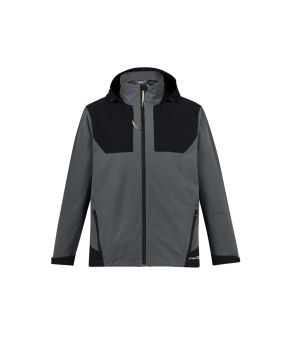
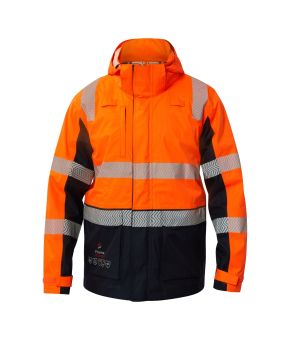
A waterproof shell jacket is a lightweight outer layer that blocks rain and wind without adding bulk. It goes over existing workwear and comes off when the rain stops. Our Unisex Streetworx Stretch Waterproof Jacket pairs a 10,000mm rating and fully sealed seams with four-way stretch fabric that moves with the wearer. For flame-risk sites, the HRC2 FR Waterproof Shell Jacket is rated to 13,000mm.
| Jacket | Waterproof rating | Suits | Price (incl. GST) |
| Streetworx Stretch Waterproof Jacket | 10,000mm | Active outdoor work | $92 |
| HRC2 FR Waterproof Shell Jacket | 13,000mm | Flame-risk sites | $189 |
Workwear Waterproof Jackets
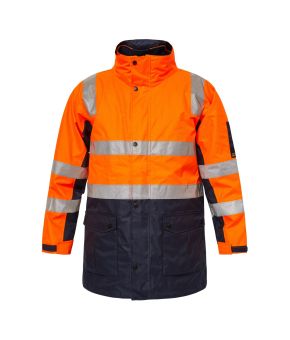
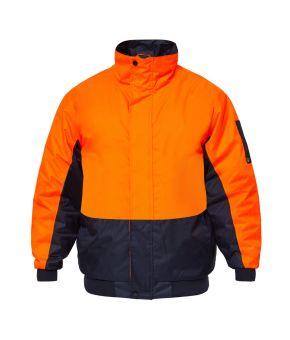
Non-insulated jackets suit warm, wet days and active work, because workers can add or remove layers underneath. Insulated jackets suit cold and wet shifts. A 3-in-1 or 4-in-1 design combines both with a removable liner. Look for waterproof fabric, seam sealing, storm flaps, adjustable cuffs, and secure pockets. Hi-vis options with reflective tape suit crews working near traffic or plant. Our range includes NSW Rail and Vic Rail compliant styles.
Compare our waterproof work jackets and find the right layer for your site.
How to Choose Wet Weather Work Gear
Five checks narrow the field before you buy, and each one comes down to the job.
| Factor | What to check |
| Waterproofing | Rating and seam construction. Sustained rain calls for 10,000mm or more. |
| Breathability | Rated in g/m² per 24 hours. Higher figures let sweat vapour escape. |
| Durability | Fabric weight, reinforced stress points, zip quality and stitching. |
| Visibility | Hi-vis colours and reflective tape for low light. |
| Fit and mobility | Adjustable cuffs, hems, hoods and room for layers. |
Match the waterproof rating to your longest exposure, not your average one. Breathability matters on physical jobs, where a sealed jacket without it turns damp from the inside. Durability shows in the details: heavier fabric and reinforced stress points last longer on rough sites, and a tear at the elbow lets water straight through. Visibility matters just as much. Rain and spray cut sight lines, so hi-vis wet weather workwear helps drivers and machine operators see workers sooner. Test fit by raising your arms and crouching, then check that the hood turns with your head.
Before you buy: Each product page lists fabric ratings and features, and many include a data sheet and fitting guide. Read them against the job.
Shop Waterproof Workwear Online
Browse the range above, where hi-vis and flame-retardant wet weather clothing sits alongside standard styles, including our own WorkCraft and Flame Buster brands. Check each product's specifications, sizing and features before you order. Orders over $100 ship free (excluding NT, WA and Tasmania), and Click & Collect from Dandenong South costs nothing. Need advice? Call 03 8787 5984 or contact our team.
Frequently Asked Questions
1. What is wet weather gear?
Wet weather gear is outer clothing that is capable of keeping the rain and wind away from the body. They are waterproof jackets and shell layers. They come with hi-vis versions for work near traffic and machinery. It protects the clothes underneath and keeps the workers dry.
2. What is the difference between waterproof and water-resistant workwear?
Water-resistant workwear sheds splashes and light rain but soaks through if continuously exposed. Waterproof workwear uses sealed, higher-rated fabric that can withstand sustained rain. A rating of 5,000mm is the minimum for waterproof, and 10,000mm or more for heavy rain.
3. What should I look for in wet weather workwear?
You can start with the waterproof rating and sealed seams. Then check breathability, fabric toughness, hi-vis needs, and fit. You should prefer adjustable cuffs and hoods to keep rain out, and a storm flap over the zip that stops water from entering through the front opening of the jacket.
4. Are waterproof shell jackets suitable for work?
Yes, they are. A waterproof shell jacket blocks rain and wind and has little weight—so it suits active jobs and layers easily over existing workwear. You can choose a sealed-seam style for daily use on the site. You should always pick a hi-vis or flame-retardant version when your job requires it.
5. What are the best work rain jackets for outdoor workers?
The best work rain jacket matches the job and the climate. Active crews often do well with a stretch shell like our Streetworx jacket. Cold, wet sites suit a 3-in-1 jacket with a warm liner. Compare ratings and features on each product page.
6. Is waterproof workwear suitable for Australian weather?
Yes, if you choose the right type. Conditions range from tropical downpours to cold southern rain, so both breathability and waterproof rating are important. Pick lighter shells for warm regions and insulated jackets for cold ones. Some carry UPF 50.
7. Can waterproof work jackets be worn over other workwear?
Yes. Most are cut so they sit over a shirt or fleece. Shell styles can be worn over existing workwear. Check the fitting guide first, because a jacket that is too tight restricts movement and one that is too loose lets rain in at the cuffs and hem.
8. How do I choose the right size for a waterproof workwear jacket?
You can check the size guide on the product page because sizing can be different among brands. There needs to be enough room for the layers underneath, and make sure the sleeves still cover your wrists when you stretch forward. You will find wet weather clothing ranging from sizes 3XS to 8XL.
Please complete your information below to login.
Sign In
Create New Account