


Hi Vis Bio-Motion
WorkArmour is a leading provider of safety clothing, specializing in Biomotion Workwear, Hi Vis Biomotion Clothing, and Night Safety Workwear. In today's work environment, visibility is crucial, especially for those who work during nighttime or in challenging weather conditions. Biomotion Workwear incorporates advanced design elements that enhance visibility and ensure the safety of workers in various industries. Night Safety Workwear is specially crafted to provide maximum visibility in low-light conditions.
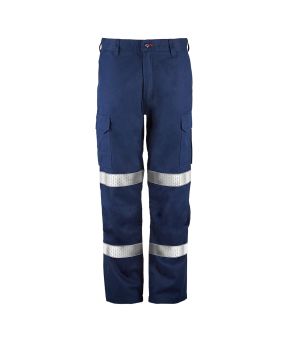
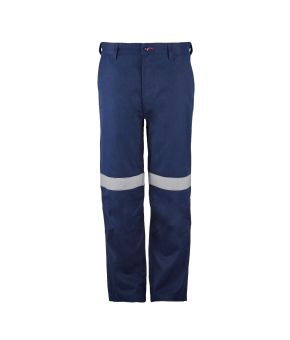
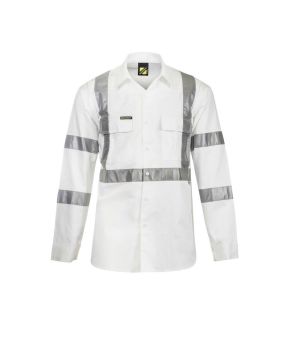
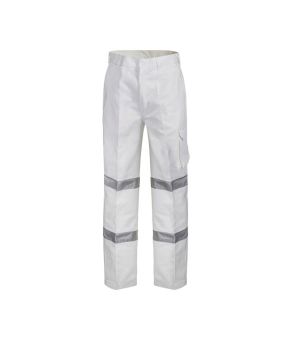
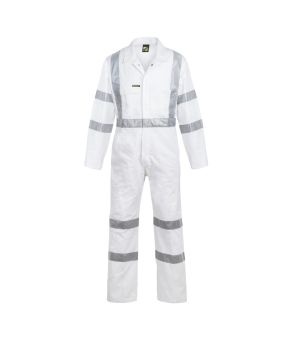
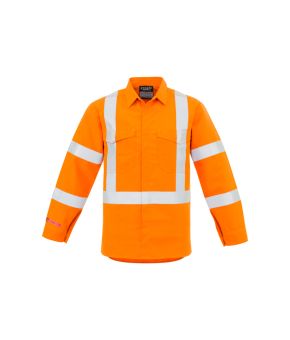
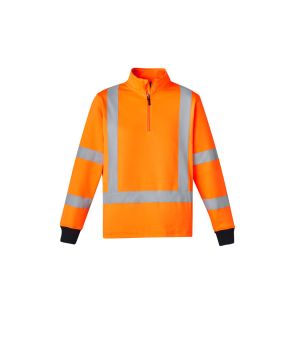
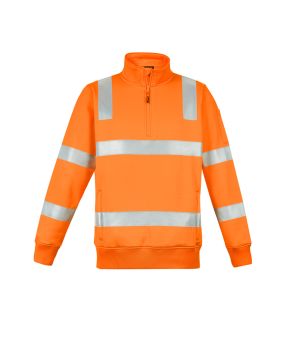
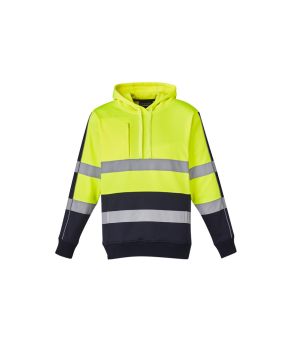
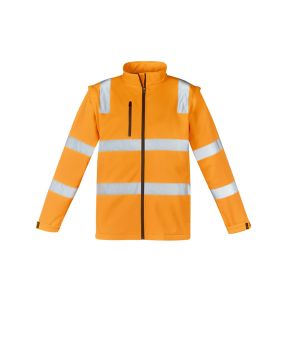
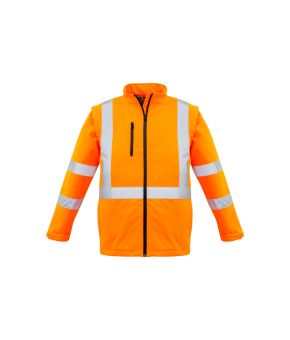
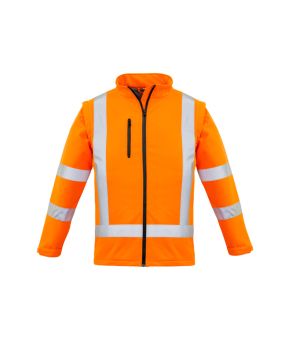
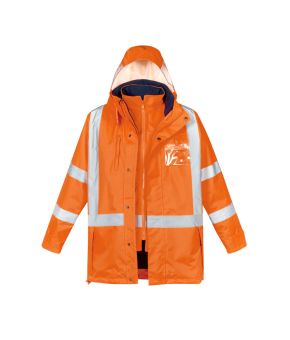
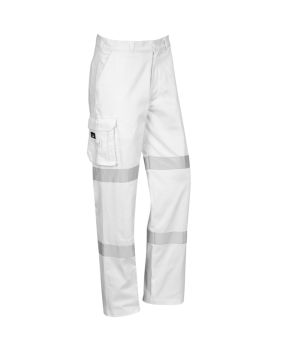
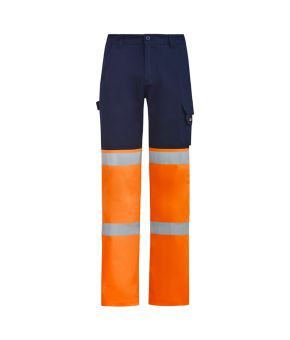
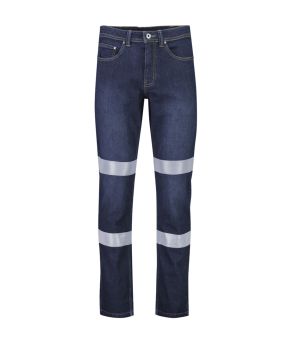
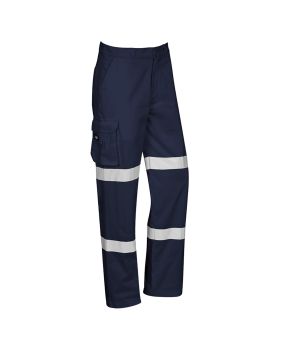
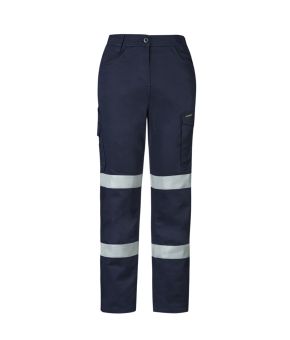
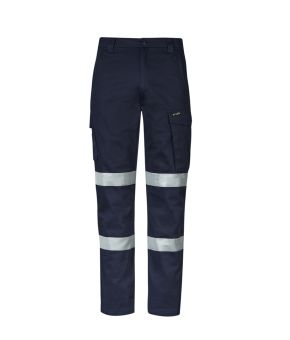
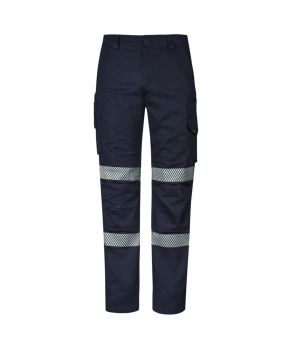
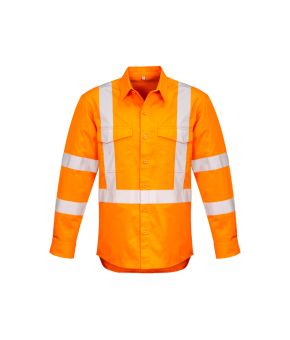
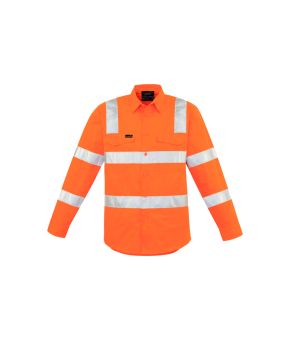
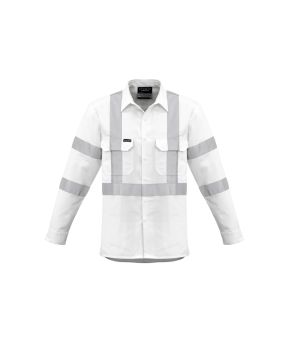
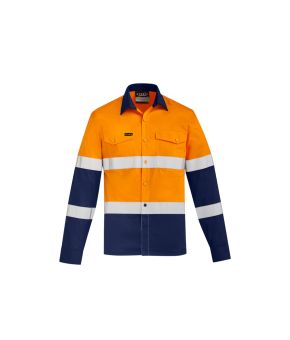
Biomotion Workwear: Built to Help Others
A bright shirt tells a driver something is there. Biomotion tells them a person is moving. On sites where vehicles and machinery share space with workers, that distinction changes how fast a hazard gets recognised—and how much reaction time an operator has.
Biomotion workwear places retroreflective tape at the joints rather than across the torso alone, so the human gait itself becomes the signal. That’s the mechanism. The rest of this piece covers which garments to choose and how to check compliance before you order.
What Is Biomotion Workwear?
Biomotion workwear is high-visibility clothing designed around a specific finding in human perception research: people recognise movement patterns faster than static shapes, even in low light. A torso panel makes a worker visible. Tape positioned at the shoulders, elbows, wrists, hips, knees, and ankles makes a worker identifiable as a person, because the reflective points swing and bend in a rhythm the brain reads instantly.
AS/NZS 4602.1:2011 formally built biomotion configurations into the high-visibility garment standard for high-risk applications, and the concept has moved from a niche safety feature into standard PPE specification across construction and rail, with logistics operators following close behind. Procurement teams should note that Australia has since transitioned to a standalone AS 4602.1:2024, while New Zealand continues to reference the 2011 joint standard. Confirm which version applies to your jurisdiction before finalising a PPE policy.
Why Choose Biomotion Workwear?
Biomotion workwear improves safety where it matters most: around moving vehicles, plant, and low-light hazards.
-
Improved worker visibility: Reflective tape at the joints creates a moving pattern that drivers and operators recognise more quickly than a static, bright panel.
-
Designed for movement: Tape follows natural pivot points—shoulders, elbows, hips, knees—so the signal stays clear whether workers are walking, climbing, or reaching.
-
Practical for demanding work: Durable fabrics and reinforced panels handle tough sites without losing visibility or shape.
-
Day and night visibility: Fluorescent base fabric works in daylight; retroreflective tape activates under headlights and site lighting after dark.
-
Comfortable for everyday work: Lightweight, breathable materials and ergonomic cuts support all-day wear across long shifts.
Our Range of Biomotion Workwear
WorkArmour’s biomotion range covers every role and climate, with tape placed to match how your team actually moves.
-
Biomotion shirts: Short- and long-sleeve options with reflective tape across shoulders, arms, and torso. Ideal for warm conditions or as a base layer under jackets.
-
Biomotion workpants: Reinforced, hard-wearing fabric with reflective hoops or bands at the knees and ankles for clear leg-movement signals.
-
Biomotion coveralls: Full-body, one-piece coverage for high-risk zones that require maximum tape configuration and complete visibility.
-
Biomotion jackets: Insulated or lightweight outer layers carrying the biomotion pattern through sleeves and torso for cold or changeable weather.
Biomotion Workwear for Different Industries
Biomotion workwear is built for industries where people and moving equipment share the same space.
-
Construction: Crews working near excavators, cranes, and mobile plant benefit from faster recognition during early starts, late finishes, and night shifts.
-
Road and traffic work: High-speed traffic and changing light conditions leave little room for error; biomotion helps drivers spot workers sooner.
-
Rail: Track crews and signal technicians often work in poor lighting near moving trains, where clear movement signals are critical.
-
Mining: Haul roads, processing areas, and heavy mobile equipment create constant interaction between people and vehicles.
-
Logistics and transport: Yard traffic, loading docks, and intermodal terminals see constant movement of trucks, trailers, and forklifts.
-
Warehousing: Narrow aisles, racking, and busy forklift routes mean workers need to be seen from every angle.
-
Utilities: Roadside and reserve work combines unreliable lighting with ongoing vehicle flow, making biomotion a practical safety measure.
How to Choose the Right Biomotion Workwear
Choosing the right biomotion workwear comes down to matching the garment to the task, the environment, and your site’s visibility rules.
-
Choose the right garment: Start with the job. Do workers need a shirt for warm conditions, durable pants for high-wear areas, a full coverall for maximum coverage, or a jacket for cold or changeable weather? Layering a biomotion shirt under a biomotion jacket keeps the movement pattern visible across seasons.
-
Consider the work environment: Indoor warehouse work has different risks than outdoor road crews. Ask: Are workers around moving vehicles or plant? Is most work done in daylight, at night, or in low-light zones? Sites with constant vehicle interaction and poor lighting benefit most from full biomotion configurations rather than minimal tape.
-
Check visibility requirements: Before you order, review your site or principal contractor’s PPE policy. Many specify a minimum garment class, tape width (often 50 mm), and whether biomotion tape is mandatory for certain tasks or zones.
-
Select the correct size & fit: Tape must stay visible, and garments must not snag on equipment. Use manufacturer size guides and consider gender-specific cuts where available. A good fit improves both comfort and compliance over long shifts.
-
Check garment standards: Confirm the label references the correct Australian high-visibility standard for that product, such as AS 4602.1:2024 for high-risk garments, along with AS/NZS 1906.4 for retroreflective materials. If a supplier cannot provide certification, look elsewhere.
Biomotion Workwear FAQs
1. What is Biomotion workwear and how does it improve visibility?
Biomotion workwear uses reflective tape around the body’s moving joints, such as the knees, ankles, elbows and shoulders. When someone walks or moves, the tape creates a recognisable human shape, helping drivers and plant operators spot them sooner.
2. What is Biomotion tape?
Biomotion tape is standard retroreflective tape arranged in a specific pattern. Instead of sitting only across the chest or lower leg, it highlights natural movement points. This makes it easier to tell that the bright object ahead is a person.
3. Are Biomotion work pants comfortable enough to wear all day?
They can be. Most modern Biomotion work pants are made for active work, with breathable fabric, practical pockets, and room to move. Choosing the right size and fabric weight for the season makes a noticeable difference over a long shift.
4. Are Biomotion pants available for women?
Yes, many suppliers offer women’s Biomotion work pants or inclusive sizing across their hi-vis ranges. A proper fit matters because it improves comfort and helps keep the reflective tape sitting where it is meant to be.
5. Are Biomotion shirts available in long-sleeve and short-sleeve styles?
Yes. Short-sleeve Biomotion shirts are a practical choice for warmer conditions, while long-sleeve styles provide extra coverage in cooler weather or outdoor roles. You can layer both options with compatible high-visibility jackets when conditions change.
6. Is Biomotion workwear suitable for night work?
Yes. The fluorescent fabric helps workers stand out during the day, while retroreflective tape becomes visible when light hits it, including vehicle headlights and worksite lighting. That makes Biomotion a strong option for night and early-morning work.
7. Are Biomotion pants suitable for road and traffic work?
Yes. Biomotion pants are well suited to road and traffic work because they highlight leg movement near vehicles. They can help motorists recognise a worker sooner, particularly in poor weather, low light, or busy traffic conditions.
8. Is Biomotion workwear compliant with Australian standards?
It can be, but compliance depends on the individual garment, not the term “Biomotion” alone. Always check the product label and specifications against the site’s PPE requirements and the Australian standard listed for that product.
9. What is the difference between Biomotion pants and regular hi-vis work pants?
Regular hi-vis pants often use reflective tape in a simple static pattern. Biomotion pants place tape around the knees and ankles to show movement, making it easier for drivers and operators to recognise a person quickly.
10. Do Biomotion work pants have reflective tape around the legs?
Yes. Biomotion work pants generally include reflective tape around the knee and ankle areas. This placement highlights the swinging movement of the legs, which is a key part of the biomotion pattern.
Please complete your information below to login.
Sign In
Create New Account