


Why Tough Australian Worksites Need Tough Safety Gumboots
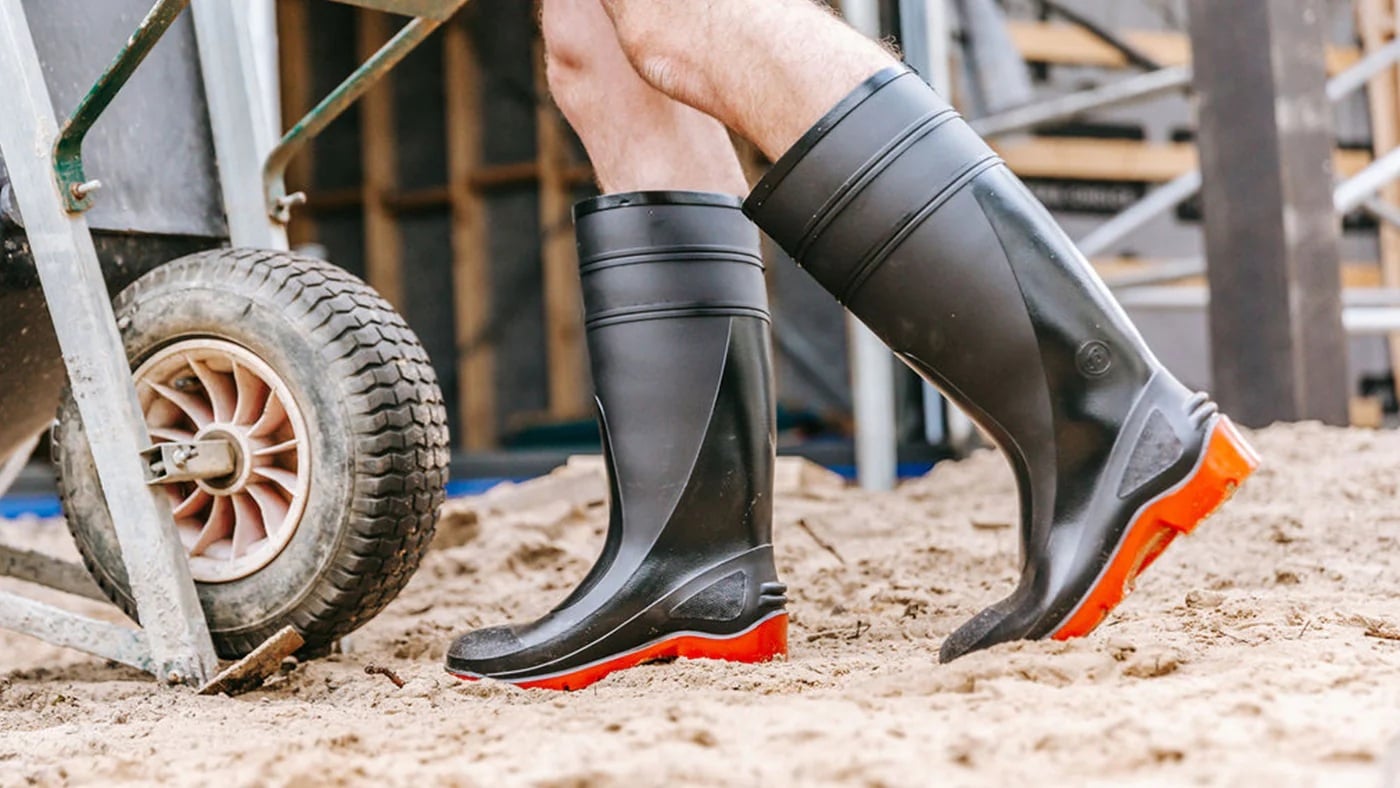
The Reality of Tough Australian Job Sites
Australia’s working environments are among the toughest in the world; which is exactly why these roles require the toughest safety work boots - or, in some cases, the toughest safety gumboots.
Many of these jobs involve constant exposure to wet and muddy conditions, uneven ground, and a wide range of chemicals, oils, and contaminants. In these settings, ordinary footwear simply isn’t enough. Standard boots may look the part, but without the right materials, protection, and design, they can leave workers exposed to injury, discomfort, and long-term health issues.
What’s more, research into occupational skin diseases shows a strong link between wet work and chemical exposure, particularly with substances known to cause irritant and allergic contact dermatitis. Workers are rarely exposed to a single risk factor; instead, multiple contributing hazards are common. These include prolonged contact with water, detergents and disinfectants, solvents, fuels, oils and coolants, rubber accelerators, and alkaline substances such as hairdressing bleach.
Additional risks can come from materials like potassium dichromate found in leather and cement. The industries most affected include construction, agriculture, health and community services, hospitality, forestry, and fishing. In these sectors, appropriate footwear is not just about comfort or durability; it plays a key role in protecting against chemical exposure, moisture-related damage, and the cumulative impact of harsh working conditions.
So for Australians working in trades or outdoor roles, a quality pair of waterproof work boots is a critical part of their protective equipment. The right boots protect feet from physical hazards, provide stability on uneven terrain, and support the body through long, demanding workdays. But choosing the correct work boot can sometimes be a challenge.
What Exactly Are Safety Gumboots?
Safety gumboots and standard gumboots may look similar at a glance — indeed, both are waterproof and suitable for wet conditions — but they differ significantly in purpose, built-in protection, and suitability for hazardous workplaces.
Standard gumboots (sometimes referred to as “PVC” or, in some regions of the world, “Wellingtons”) are designed primarily for basic waterproof protection. They keep feet dry in wet, muddy, or messy environments and are typically lightweight and easy to clean. Standard gumboots are suitable for low-risk tasks where the main concern is moisture, dirt, or general outdoor use. They do not include certified protective features for impact, penetration, or other industrial hazards.
Safety gumboots, by contrast, are specifically engineered to meet workplace safety requirements. In addition to the waterproof PVC construction found in standard gumboots, safety versions include a range of protective features intended to guard against a variety of hazards commonly encountered in industrial, agricultural, construction, and processing environments.
Typical protective features built into safety gumboots include reinforced toe protection.
penetration-resistant midsoles, slip-resistant outsoles with tread patterns designed to maintain traction on wet, oily, or uneven surfaces, chemical, oil, and fuel resistance in the PVC, and anti-static properties in some models, which help dissipate static charge and reduce the risk of static-related ignition in flammable environments.
Another important distinction is compliance with Australian standards (AS/NZS). Proper safety gumboots should be tested and certified to AS 2210.3:2019, which specifies criteria for impact resistance, compression, slip resistance, and overall protective performance for industrial footwear. Meeting this standard demonstrates that the boots have undergone rigorous testing and are appropriate for regulated worksites where protective footwear is mandated.
Key Hazards on Australian Job Sites
Safety gumboots are designed to protect workers against the all-too common risks that are found on the job site, such as:
-
Slips on Wet or Oily Surfaces: Wet floors, mud, grease, and oil significantly reduce traction, increasing the risk of slips and falls, particularly in industrial and outdoor environments. Uneven ground and poor drainage can further compound this risk. Safety boots help by using slip-resistant outsole compounds and tread patterns designed to maintain grip on wet, oily, and contaminated surfaces.
-
Foot Injuries from Heavy Objects: Dropped tools, equipment, or materials can cause serious impact or crushing injuries to the toes and forefoot. These incidents are common in construction, manufacturing, and agricultural settings. Safety boots help by incorporating steel or composite toe caps that absorb and distribute impact forces, protecting the foot from severe injury.
-
Chemical Exposure: Many worksites involve exposure to fuels, oils, solvents, disinfectants, and other chemicals that can degrade footwear and irritate or burn skin. Repeated contact increases the risk of long-term skin conditions. Safety boots help by using chemically resistant materials that create a protective barrier between the foot and harmful substances.
-
Puncture Risks: Sharp objects such as nails, metal shards, glass, or splintered timber can penetrate standard footwear from below. Puncture injuries can lead to infection and prolonged downtime. Safety boots help by including penetration-resistant midsoles that prevent sharp objects from piercing through the sole.
-
Long Hours Standing in Harsh Conditions: Standing for extended periods on hard, wet, or uneven surfaces places ongoing strain on the feet, legs, and lower back, leading to fatigue and discomfort. This can reduce focus and increase injury risk. Safety boots help by providing structured support, cushioning, and stability that reduce fatigue and improve comfort throughout long workdays.
Essential Safety Features of Quality Gumboots
Here are the key features that make a quality gumboot stand out above a lesser pair…
-
Steel Toe or Composite Toe Protection: Gumboots with steel or composite toe caps safeguard the toes from heavy impacts and compression hazards common on work sites. Steel offers robust protection, while composite alternatives are lighter and non-metallic, making them suitable where metal detectors or electrical safety concerns exist.
-
Slip-Resistant Soles: High-quality gumboots use specialised outsole compounds and tread patterns that grip wet, oily, and uneven surfaces. This feature dramatically reduces the likelihood of slips and falls in environments like muddy farms, factories, or construction zones where moisture and contaminants are prevalent.
-
Waterproof and Chemical-Resistant Materials: Durable PVC or blended rubber uppers keep feet dry in wet conditions and resist degradation from exposure to fuels, oils, solvents, and cleaners. This protects both the wearer and the integrity of the gumboot, ensuring long-lasting performance even in harsh, contaminant-heavy workplaces.
-
Puncture-Resistant Midsoles: A puncture-resistant layer — typically made from steel or flexible composite material — can help prevent sharp objects like nails, glass, or metal fragments from penetrating the sole. This is crucial for sites with debris underfoot where standard soles would offer little defence against puncture injuries.
-
Insulated or Breathable Linings for Temperature Control: Working in extreme temperatures demands footwear that either retains warmth or allows moisture to escape. Insulated linings help keep feet warm in cold conditions, while breathable materials promote airflow to reduce sweat and discomfort in hot, humid environments.
Comfort Matters: How Safety Boots Reduce Fatigue During Long Shifts
A quality pair of work boots should both protect and comfort your feet. Here’s how:
-
Ergonomic Design: Comfortable gumboots are shaped to follow the natural contours of the foot and lower leg, reducing strain and supporting natural movement. An ergonomic build helps prevent pressure points and reduces fatigue during extended wear by allowing the foot to flex more naturally with each step.
-
Shock Absorption: Gumboots with cushioned insoles or shock-absorbing midsoles help dampen the impact of each step, which is especially important when walking or standing on hard, uneven, or rough surfaces. This added cushioning distributes pressure more evenly, reducing stress on the feet and lower limbs over long shifts.
-
Arch Support: Built-in arch support maintains the foot’s natural curve, helping to stabilise the foot and reduce strain on the plantar fascia, ankles, and knees. Good arch support also enhances overall balance and comfort, particularly for workers on their feet for many hours.
-
Lightweight Designs: While heavy-duty gumboots offer greater protection in rugged conditions, lightweight designs reduce fatigue by making it easier to walk and move efficiently throughout the day. The ideal comfort balance depends on the environment, but reducing unnecessary weight can significantly improve endurance and reduce muscle strain.
-
Corrects Fits: A proper fit ensures the boot stays securely in place without rubbing or slipping, which helps prevent blisters, hot spots, and foot fatigue. Correct sizing also allows comfort features like insoles and arch support to work effectively, and may include removable liners to accommodate custom orthotics if needed.
Compliance, Liability & Workplace Safety Obligations
According to Safework Australia, a person conducting a business or undertaking (PCBU) is required to implement appropriate control measures to safeguard the health and safety of workers. This includes providing suitable personal protective equipment (PPE) where it is necessary to minimise identified risks. Workers, along with others in the workplace, also have a responsibility to use PPE correctly and comply with relevant safety requirements.
Certified safety footwear plays a critical role in these controls by reducing the likelihood and severity of foot-related injuries. By meeting recognised safety standards, compliant footwear helps prevent incidents that can lead to lost work time, reduced productivity, and costly downtime for both workers and businesses.
Conclusion: An Investment in Safety is an Investment in Productivity
High quality safety gumboots provide more than basic protection; they support safer, more productive workplaces. By shielding feet from impacts, slips, chemical exposure, and puncture hazards, certified safety gumboots significantly reduce the risk of injury and fatigue. When workers feel secure and comfortable underfoot, they can move with confidence, stay focused on the task at hand, and work more efficiently. Fewer injuries and less discomfort translate directly into reduced downtime, lower injury-related costs, and improved overall productivity on site.
You can browse WorkArmour’s selection of Mens & Womens Gumboots here, or head over to our homepage to check out our wide range of other workwear. For all enquiries, get in touch with us directly.
Please complete your information below to login.
Sign In
Create New Account