


How to Care For Your Leaky Workboots Before They Cause Damage
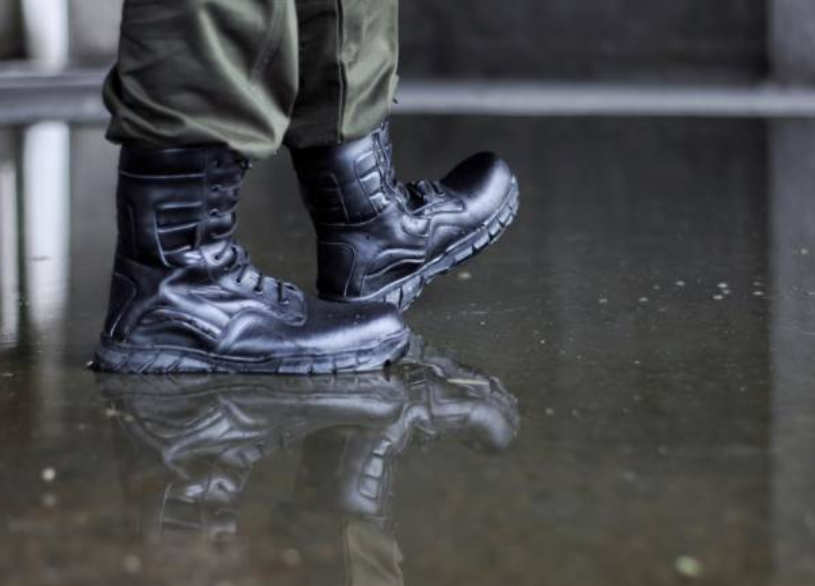
Waterproof work boots are purpose-built safety footwear designed to protect workers who regularly face wet environments, chemical exposure, and slippery surfaces. Beyond water protection, these safety work boots incorporate features such as waterproof membranes, slip-resistant outsoles, advanced cushioning, and structured arch support. Together, such elements can reduce the risk of injury, minimise fatigue during long shifts, and help lower long-term replacement costs. While premium waterproof boots can sometimes involve a higher upfront investment, they invariably offer a strong return through better durability and improved worker safety; especially when maintained properly through routine cleaning and periodic waterproofing treatments.
Waterproof work boots have become the preferred option across construction, manufacturing, trade, and outdoor sectors because they combine reliability with all-day support. These boots go well beyond basic foot protection; they are engineered to meet the real, everyday demands of challenging worksites. Whether navigating muddy terrain, wet factory floors, or unpredictable weather conditions, waterproof boots help maintain stability, safety, and productivity. Such advantages extend far beyond keeping feet dry; quality waterproof work boots enhance workplace efficiency, reduce fatigue, and support long-term health, thereby making them a smart and practical investment. WorkArmour offers a broad range of safety work boots designed to suit different industries, environments, and performance needs.
Key Waterproof Technologies in Work Boots
Waterproof work boots come in all shapes and sizes, but here are some of the more common technologies found across the gamut…
-
Breathable Membrane: The breathable membrane within work boots is a thin internal layer designed to allow sweat vapour to escape while preventing external water from getting in. It’s typically sandwiched between the boot’s outer shell and its inner lining, giving you protection from both rain and internal moisture. This technology helps keep your feet dry and comfortable during long shifts, though the seams around the membrane can weaken with time and dirt can reduce its effectiveness, so regular cleaning and waterproof treatments help maintain performance.
-
Waterproof Liners: Waterproof liners are removable, inner layers that act as a secondary moisture barrier inside the boot. They help retain warmth in cold or damp environments and can be taken out easily for drying or cleaning. While they don’t always breathe well, they provide extra insulation and a practical way to manage moisture without compromising waterproofing.
-
Rubber Construction & Waders: Boots made entirely from rubber, or rubber waders that extend up the leg, offer a completely sealed barrier against water thanks to their non-porous construction. These designs are 100% waterproof with no seams that can leak, making them especially reliable for deep-water or muddy environments. However, rubber doesn’t breathe, so feet may feel clammy, and the material can be somewhat rigid. Despite these trade-offs, fully rubber boots and waders remain a durable, low-maintenance choice for demanding jobs that involve heavy wet conditions.
Common Causes of Leaks
Several different issues can cause waterproof work boots to start leaking, and most of them come down to gradual damage or insufficient maintenance.
-
Natural Wear & Tear: Even the best waterproof work boots will eventually show signs of deterioration simply from regular use. Daily flexing, constant pressure, and exposure to harsh or unpredictable weather can gradually weaken the waterproof membranes and outer materials. As boots age, the protective layers may lose their ability to repel moisture effectively, and stitching can loosen or separate, creating small gaps where water can seep in. This natural degradation is unavoidable over time but can be slowed with proper care and timely maintenance.
-
Punctures: Work sites often contain sharp objects—nails, screws, scrap metal, jagged rocks, or other debris—that can easily puncture the boot's outer shell. Even a small hole can compromise the entire waterproof barrier. Abrasive surfaces, wire fencing, or rough equipment edges can also catch on the boot and cause tearing. Once the structural layer is damaged, the membrane underneath becomes vulnerable as well. Conducting frequent inspections and being mindful of hazardous terrain can significantly reduce the risk of accidental punctures or tears.
-
Improper Care: Failure to clean, condition, and dry waterproof boots properly is one of the fastest ways to shorten their lifespan. Dirt, mud, and chemicals left on the surface can break down the materials, while inadequate conditioning allows the leather or fabric to dry out and crack. Prolonged exposure to harsh chemicals, strong UV rays, or extreme heat and cold can also weaken waterproof coatings and adhesives. When boots are not cared for regularly, their resistance to water diminishes, making leaks far more likely and reducing the overall durability of the footwear.
Signs of Leaky Work Boots
The first step is identifying the early warning signs that your boots may be leaking. Watch for the following indicators…
-
Visible Wetness: One of the clearest signs that your work boots are no longer fully waterproof is any direct evidence of moisture. This may appear as damp patches on the boot’s surface, darkened areas where water has been absorbed, or visible cracking in the leather or synthetic materials. Worn or frayed seams, separated stitching, and small punctures can also allow water to seep through. If you notice any of these issues, it’s a strong sign that your boots’ protective barrier has been compromised.
-
Staining: Watermarks, discolouration, or unusual stains — either inside the boot or on the exterior — often signal a leak that isn’t immediately obvious. Moisture can travel through layers of material before reaching the surface, leaving behind rings, streaks, or patches that differ from normal wear. These stains typically appear after repeated exposure to water and should be taken as an early warning that the waterproofing is beginning to fail.
-
Material Changes: When waterproof materials begin to absorb moisture, they often shift in texture or structural integrity. Leather may lose its natural flexibility, becoming stiff, brittle, or uneven in appearance. Synthetic fabrics may appear swollen, softened, or misshapen. Any noticeable alteration in how the boots look or feel, especially if the change is sudden, can indicate water has infiltrated the outer layers and is affecting the internal components of the boot.
-
Squishing Sounds: If your boots produce a squishing or sloshing sound when you walk, it means water has entered the interior and is compressing inside the footbed or lining. This sound occurs because the absorbed water is being pushed through the padding or trapped air pockets with each step. It’s an unmistakable sign of a substantial leak, and continuing to wear the boots in this condition may cause further damage or discomfort.
-
Cold Feet: Even in the absence of visible moisture, consistently cold or chilled feet can point to a subtle leak. When water penetrates the insulation layers, it reduces their ability to retain warmth, making your feet feel colder than usual. This is often an early indicator of a slow, gradual water breach that hasn’t yet saturated the lining enough to be seen
- Odour: A persistent musty or unpleasant smell coming from your boots is often the result of moisture that has been trapped inside for too long. Damp conditions create an ideal environment for bacteria and mold to grow, especially if the boots haven’t been properly dried. If you notice an unusual odour — particularly one that doesn’t improve after airing the boots out — it strongly suggests hidden moisture and potential long-term leakage issues.
Locating the Leak
Once you’ve confirmed there’s a leak, the next step is to locate the exact source so you can repair it effectively. Try the following methods:
-
Visual Inspection: Examine your boots closely under good lighting. Look for cracks, tears, loose stitching, or separation along seams, especially around high-stress areas such as the toe box, flex points, and hardware like eyelets or hooks.
-
Water Test: Fill a shallow container with a small amount of clean water. With the boots fully dry, put them on and stand in the water for a few minutes, moving your feet naturally. Afterward, remove the boots and check the interior for damp spots to pinpoint the leak.
-
Seam Check: Inspect the stitching where the uppers meet the soles, checking for loose threads, gaps, or any visible separation.
Tips on Maintaining Your Waterproof Work Boots
-
Daily Care & Cleaning Routine: A consistent daily care routine is essential for keeping your waterproof work boots performing at their best. After each shift, remove dirt, mud, and debris from the surface using a soft brush or damp cloth. This prevents contaminants from building up and degrading the waterproof materials. Paying attention to your boots daily not only maintains their appearance but also extends their lifespan and ensures reliable water protection.
-
Deep Cleaning: Periodically, your boots will need a more thorough clean to remove ingrained dirt and sweat that daily cleaning may miss. Use mild soap and warm water to wash the exterior, and rinse carefully to avoid leaving residue that could affect waterproofing. For leather boots, apply a leather cleaner and conditioner to restore suppleness, while synthetic materials may benefit from a gentle scrubbing with a soft brush. Deep cleaning helps maintain the integrity of seams, membranes, and liners.
-
Waterproof Treatments: Applying waterproofing treatments at regular intervals is key to maintaining long-term protection. Sprays, waxes, or creams designed for your boot’s material can replenish lost oils and coatings, reinforcing the waterproof barrier. Follow the manufacturer’s guidelines for frequency and application, and ensure boots are clean and dry before treatment. Proper waterproofing reduces the risk of leaks, protects the interior lining, and helps your boots perform reliably in wet conditions.
Conclusion
Waterproof work boots are essential for safety, comfort, and long-term performance in demanding work environments. Proper care, regular cleaning, and timely waterproofing treatments help maintain their protective qualities and extend their lifespan, while recognizing early signs of leaks ensures timely repairs and continued reliability. WorkArmour offers a comprehensive range of high-quality waterproof work boots designed for a wide range of industries. For all inquiries, contact WorkArmour directly.
Please complete your information below to login.
Sign In
Create New Account