


Cotton or Polyester: Which Work Shirt Is Best For Aussie Tradies?
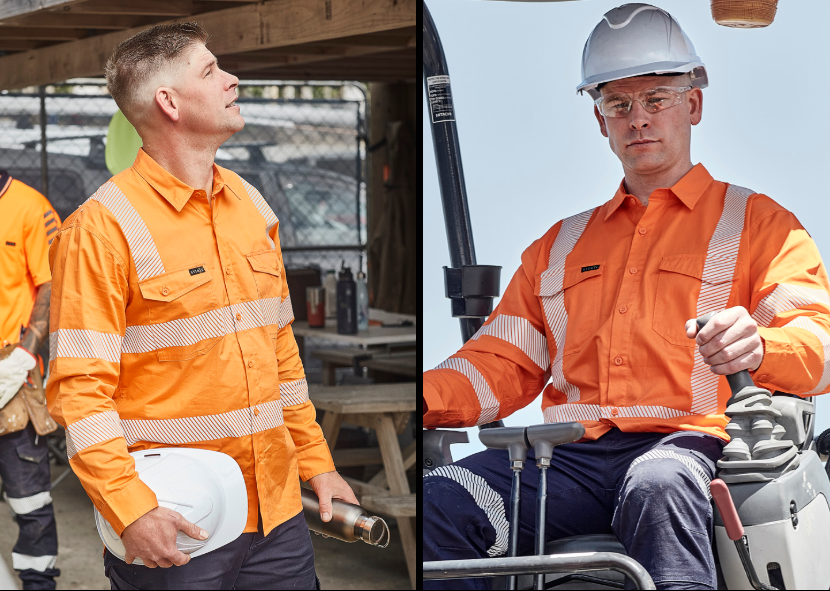
The quality of a tradie’s work shirt can either help or hinder their day, and the fabric of the shirt is just as important as the cut, the durability, or the overall appearance. It’s no secret that what you wear at work can play a direct role in how you feel and perform throughout the day. Considering Australia’s temperamental temperatures, which can include intense sun exposure, high humidity, and erratic winds. The choice between cotton and polyester goes far beyond simple comfort. You ideally want a fabric that can aid with heat management, moisture control, and even workplace safety. The wrong choice may lead to overheating, excessive sweating, skin irritation, or reduced focus, all of which can negatively affect productivity and wellbeing over long shifts..
Therefore, selecting the right fabric is not a trivial decision. To help make an informed decision, it’s important to understand how cotton and polyester differ in real-world trade conditions.
Below, we break down the key characteristics of each fabric, outline their respective advantages and disadvantages, and explain which option is best suited to different Australian climates, job types, and working environments.
The Fabric Face-Off: Cotton vs Polyester
Cotton
Cotton is a natural fibre that has long been a favourite among tradespeople, largely due to its softness, breathability, and overall comfort. When working in Australia’s often hot and demanding conditions, cotton work shirts can feel noticeably cooler against the skin.
The fibre’s natural structure allows air to circulate freely, which helps the body release heat and maintain a more stable temperature during long, physically demanding outdoor shifts.
Because cotton absorbs moisture, it can also help manage sweat by drawing it away from the skin, reducing that sticky, uncomfortable feeling during extended periods of work. For many tradies, this combination of comfort and breathability makes cotton a reliable choice for everyday wear.
Pros:
-
Highly breathable: promotes strong airflow, helping the body stay cooler in warm conditions.
-
Soft and comfortable: gentle on the skin, making it suitable for long days on site.
-
Moisture-absorbant: soaks up sweat and reduces immediate discomfort, though it does not dry quickly.
-
Hypoallergenic: less likely to cause irritation, making it ideal for sensitive skin.
Cons:
-
Slow to dry: retains moisture longer, which can feel heavy or clammy in very humid conditions.
-
Higher maintenance: more prone to wrinkling and shrinkage if not washed and dried correctly.
-
Less abrasion-resistant: natural fibres can wear down faster in high-friction or extreme work environments.
Cotton is best for: Hot, dry outdoor roles such as construction or landscaping, where airflow, comfort, and breathability are the main priorities.
Polyester
Polyester is a synthetic fabric engineered for strength, resilience, and low maintenance, making it a practical option for more demanding work environments. It is designed to withstand frequent washing, resist fading, and maintain its shape over time. One of its key advantages is its ability to dry quickly, which is especially beneficial for roles that involve heavy sweating or regular laundering.
Unlike cotton, polyester is often treated to wick moisture away from the body, pulling sweat to the surface of the fabric where it can evaporate more quickly. This can help reduce the feeling of dampness during high-intensity tasks, particularly in indoor or mixed environments.
Pros:
-
Highly durable: resistant to tearing, shrinking, and wrinkling under tough conditions.
-
Quick-drying and moisture-wicking: moves sweat away from the skin to help keep you drier.
-
Low maintenance: retains colour and shape well, even with frequent washing.
Cons:
-
Less breathable: can trap heat in extremely hot or direct sun conditions.
-
Odour retention: synthetic fibres are more likely to hold smells compared to natural fabrics.
Polyester is best for: Heavy-duty indoor or mixed roles such as warehousing, manufacturing, delivery work, or jobs where garments are washed frequently and durability is a key requirement.
Why Many Tradies Choose a Blend?
For many tradespeople, the ideal solution sits between the two extremes in the form of a cotton–polyester blend, commonly around 60% cotton and 40% polyester. This type of fabric is designed to deliver the best of both worlds, combining the natural comfort and breathability of cotton with the strength, durability, and moisture-handling properties of polyester. The result is a work shirt that feels comfortable on the body while performing more reliably in demanding, day-to-day conditions.
By incorporating polyester, blended fabrics dry noticeably faster than pure cotton, which helps reduce that heavy, damp feeling after sweating. At the same time, the cotton content ensures the garment remains breathable and soft, avoiding the overly synthetic feel that some workers dislike. This balance makes blends particularly well suited to long shifts and variable working environments.
In addition, cotton–polyester blends:
-
Resist wrinkling more effectively than 100% cotton garments
-
Dry faster than pure cotton, improving comfort during and after work
-
Stand up better to daily wear and tear, maintaining shape and performance over time
From a practical standpoint, blended fabrics are also easy to care for, requiring less attention when washing and drying while still maintaining their appearance. This makes them a smart, low-maintenance option for workers who want dependable performance without compromising on comfort. For roles that involve a mix of outdoor heat, physical movement, and changing environments — such as construction, civil works, or jobs that alternate between indoor and outdoor settings — a cotton–polyester blend often provides the most well-rounded and versatile choice.
How Australia’s Conditions Affect Your Choice?
Australian tradies work in extreme heat, harsh UV exposure, and long hours on site, which makes choosing the right fabric essential:
-
Hot, Sunny Conditions: Cotton or cotton-blend fabrics help you stay cooler and allow sweat to evaporate more effectively.
-
Humid/Wet Environments: Polyester or blended materials that wick moisture and dry quickly help reduce discomfort and clamminess.
-
Frequent Use/Washing: Polyester or blends offer better resistance to abrasion, fading, and long-term wear.
No matter the fabric choice, wearing UV-rated or ventilated work shirts helps protect your skin and ensures you meet Australian workplace safety and compliance requirements.
GSM & Fabric Weight Guide
Fabric weight, measured in Grams per Square Metre (GSM), has a major impact on how a work shirt performs and feels throughout the day. It influences breathability, insulation, durability, and overall comfort, all of which are critical when working through Australia’s intense summer heat or cooler on-site conditions during the winter months.
By Weight
-
155–190 GSM (Lightweight): Ideal for hot Australian summers or high-movement outdoor roles. These fabrics focus on airflow and cooling, though they offer slightly reduced abrasion resistance. Commonly used in micromesh polos and lightweight cotton drill shirts.
-
190–270 GSM (Midweight): A versatile option suited to transitional seasons or indoor-based trades. Provides a good balance of structure, durability, and breathability. Well suited to carpenters, mechanics, and electricians.
-
310+ GSM (Heavyweight): Built for cooler weather or high-friction work environments. Delivers increased insulation and long-lasting durability. Typically found in drill shirts, jackets, and heavy twill workwear.
By Weave Type
-
Ripstop: A reinforced grid-style weave designed to limit tearing, making it ideal for rugged worksites or mechanical applications.
-
Micromesh: A lightweight knit engineered for maximum ventilation, well suited to high-sweat roles and open-sun conditions.
-
Vented Designs: Mesh panels placed under the arms, along the sides, or across the back improve airflow while maintaining visibility and compliance requirements.
Tips to Make Your Work Shirts Last Longer
Taking correct measures to care for your work shirts will help extend their product life cycle, maintain their comfort levels, and ensure ongoing compliance. The following care guidelines will help you get the best performance from each fabric type:
-
Cotton: Wash in cool water and air-dry where possible to minimise shrinkage and maintain natural breathability.
-
Polyester: Wash in warm (not hot) water and tumble dry on a low setting. Avoid fabric softeners, as they can interfere with moisture-wicking performance.
-
Blends: Use gentle wash cycles and moderate temperatures. While blends are more resistant to shrinkage, prolonged UV exposure can still cause fading. Rotating shirts regularly helps reduce cumulative sun damage and reflective tape wear, particularly during peak summer periods.
Keeping a rotation of cotton and blended options is recommended; cotton for full-sun outdoor work, and blends or polyester for high-use or indoor roles. Always follow the most specific care instructions provided by the manufacturer. Always ensure garments are clean and completely dry before putting them away; this will prevent odour build-up and mildew.
So, Which Should You Choose?
The right fabric ultimately depends on your work environment, climate, and how hard your gear needs to work day in and day out. Each option has its advantages; cotton is best for hot, dry, outdoor conditions where breathability and all-day comfort are the top priorities. Ideal for full-sun work and tradies who value a natural, soft feel. Polyester is ideal for frequent wear, high-rotation roles, or indoor and mixed environments where durability, fast drying, and easy care matter most, which makes it a practical choice for frequent washing. Cotton–polyester blends offer the best of both worlds, providing a combination of comfort, durability, and moisture management.
You can explore WorkArmour’s selection of tradies’ work shirts here, or head to our hi vis workwear page to browse our wide range of hi vis shirts. For all enquiries, contact us directly.
Your Tradie Workwear Questions, Answered!
What fabric performs best in hot Australian weather?
When you’re working through long, hot days outdoors, particularly in the more sun-soaked regions of Australia, choosing a fabric that supports airflow while still offering protection is critical. Shirts made from natural cotton, cotton-rich blends, or lightweight ripstop constructions will perform well in high heat because they promote ventilation and assist with sweat evaporation. These fabrics help regulate body temperature and reduce heat stress during extended periods on site.
Are cotton or polyester shirts safer for on-site work?
On-site safety is influenced by job-specific risks as much as fabric choice. For general use, both cotton and polyester work shirts can be safe choices provided they comply with relevant safety standards, include high-visibility elements where required, and offer adequate UV protection. However, in environments involving high heat, sparks, or potential flame exposure, natural fibres such as cotton or certified flame-resistant blends are often preferred, as they are less likely to melt or adhere to the skin under extreme conditions.
Are long-sleeve shirts better than short sleeves in summer?
In many cases, yes, particularly when working in direct sunlight. Long sleeves provide greater coverage from harmful UV rays while still remaining comfortable if the fabric is lightweight or incorporates ventilation panels. Short-sleeve shirts can be suitable for shaded or indoor tasks, but for outdoor work in summer, vented long-sleeve cotton shirts offer superior sun protection. Options from brands such as WorkCraft and Syzmik, available through WorkArmour, are designed specifically to balance coverage, airflow, and comfort.
Where can tradies buy quality work shirts?
For well-designed cotton and cotton-poly blend workwear built for Australian conditions, WorkArmour offers a reliable selection of trusted options. Our range includes products such as the Syzmik Men’s Lightweight Tradie Short Sleeve Shirt and the WorkCraft Lightweight Long Sleeve Vented Cotton Work Shirt.
Please complete your information below to login.
Sign In
Create New Account